What is Neuro Affirmation?
Why is it important?
How do I adopt Neuro Affirming practices?
Ever wonder why some well-intentioned efforts to support neurodivergent individuals seem to miss the mark? The answer often lies in who’s making the decisions. When it comes to truly neuro-affirming practices, the voices of neurodivergent individuals need to be front and center.
The neurodiversity paradigm has dramatically shifted how we view cognitive differences over the past few decades. Starting in the late 1990s and gaining traction in the early 2000s, this approach began to change our understanding of conditions like autism, ADHD, and dyslexia. Instead of labeling them as “disorders” or “deficits,” the neurodiversity paradigm reframes them as authentic forms of neurocognition that diverge from mainstream societal norms. This shift emphasizes the equal validity and value of neurodivergent identities.
Those who are neurodivergent experience the world through unique lenses that can make everyday situations feel overwhelming, uncomfortable, or disorienting. Yet our societal systems and structures—schools, workplaces, and public settings—are primarily built around neurotypical norms and expectations. This creates significant barriers for those whose neurocognitive wiring differs from the perceived “standard.”
Neurodiversity affirming mindsets and practices are crucial for better supporting neurodivergent individuals navigating neurotypical-oriented environments. When neurodivergent people feel truly affirmed and accommodated rather than forced to camouflage their authentic selves, they thrive rather than survive.
What is Neurodiversity Affirmation?
Affirming neurodiversity means celebrating and supporting diverse ways of thinking. It rejects the outdated notion that neurological differences like autism and ADHD are “disorders” that need to be “cured.”
Neuro-affirming practices recognize the strengths, unique perspectives, and equal worth of neurodivergent minds, even when they don’t match mainstream norms. True affirmation involves creating environments where neurodivergent individuals can express their authentic selves without judgment or the need to hide who they are to fit neurotypical standards.
The Impact of Affirmation
Before the neurodiversity paradigm shift, conditions like autism were often seen as disorders that needed to be diagnosed, managed, and ideally eliminated. This view led to widespread stigma and marginalization of neurodivergent people. They faced intense pressure to conform through methods like compliance training and applied behavior analysis, which treated their unique ways of thinking as dysfunctions.
Constantly having to hide one’s true self to appear “normal” took a heavy emotional toll on the self-worth and mental health of neurodivergent individuals. The neurodiversity movement, by affirming neurological differences as natural human variations rather than deficits, was genuinely liberating.
This new perspective recognizes neurodiversity as a natural part of human diversity and challenges the notion that neurological differences are inherently negative. Affirming one’s neurodiversity boosts self-esteem, validation, and well-being, allowing people to feel seen and celebrated for who they are instead of pressured to change.
Affirmation is especially crucial for neurodivergent youth, who face higher risks of anxiety, depression, and other challenges when forced to hide their traits in neurotypical environments. Labeling their identities as problems only makes these issues worse. The shift towards neurodiversity allows individuals to openly embrace their cognitive differences and proudly claim their identities.
Supporting neurodiverse talent unlocks incredible amounts of creative potential in fields like technology and the arts, leading to richer problem-solving and innovation. Diversity isn’t just ethical; it drives progress and creativity.
Supports Neurodivergent Individuals Typically Prefer
Neurodivergent individuals often benefit from supports that respect their needs and preferences. Common supports include:
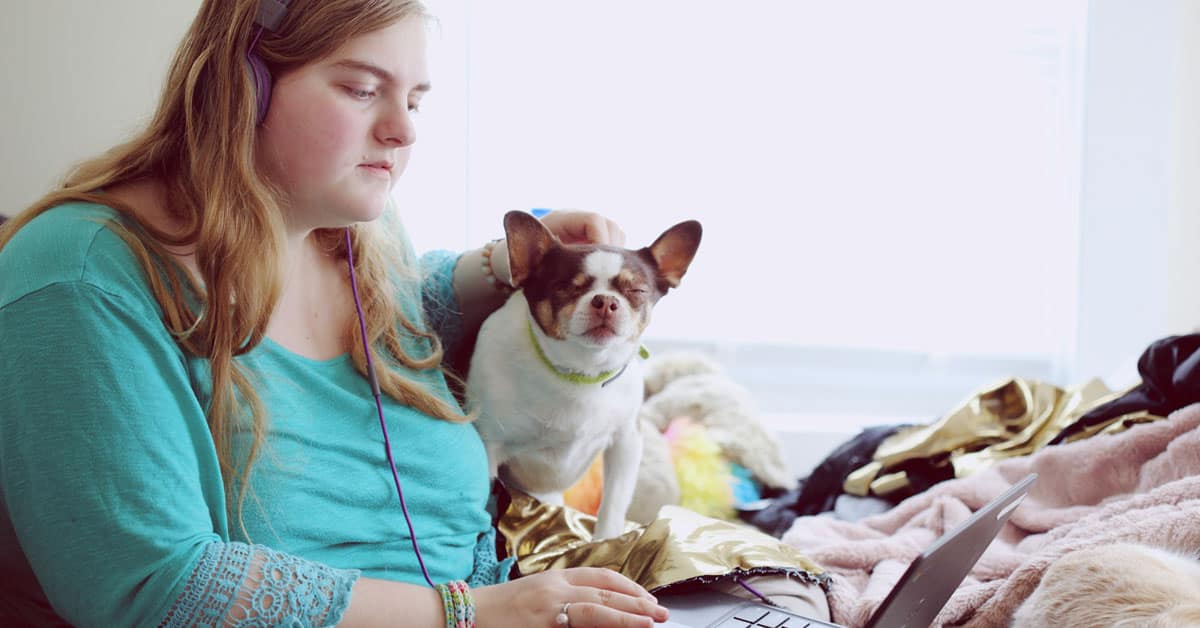
- Sensory tools: Items like noise-canceling headphones, fidget toys, and weighted blankets can help manage sensory input and provide comfort.
- Clear communication methods: Direct, straightforward communication and visual systems like sign language and PECS (Picture Exchange Communication System) can be more effective and less overwhelming.
- Predictable routines: Consistent routines and visual schedules help reduce anxiety and provide stability.
- Respect for boundaries: Respecting personal space and boundaries is critical to creating a safe environment.
- Inclusive activities: Activities that consider sensory sensitivities and allow for different ways of participation can boost engagement and enjoyment.
Building Neuro Affirming Spaces
Neurodiverse-affirming environments are spaces designed with the understanding and acceptance of neurodiversity at their core. These spaces prioritize the needs and preferences of neurodivergent people, ensuring they feel respected, accommodated, and valued. This approach is vital not just for the comfort of neurodivergent people but also for their overall well-being and growth.
So, how can we create more neuro-affirming environments? It starts with centering neurodivergent voices and following their lead on what accommodations and supports would be most helpful:
At Home
To create a comfortable environment for neurodivergent individuals, avoid harsh lighting and use calming, neutral colors. Keep spaces clutter-free, and opt for minimalist decor to reduce visual overstimulation. Incorporate textured cushions, weighted blankets, and chewable jewelry to meet sensory needs. Encourage self-regulated movements like rocking, pacing, or hand-flapping.
Local parent support groups and community activities can also provide a valuable sense of belonging and offer solutions to common issues.
In Schools
Neuro Affirming classrooms accommodate diverse learning styles and sensory needs, providing a supportive environment for neurodivergent students. Teachers in these environments are trained to recognize and respect neurodiversity, using strategies that promote engagement and learning without causing distress.
Neuro Affirming practices offer alternative instructional methods, such as visual aids, hands-on activities, and options for students to receive information in written or auditory formats. Flexible seating, such as standing desks, wobble stools, or floor seating, can benefit neurodivergent students who struggle with sitting for long periods.
Sensory tools like fidgets, headphones, and chewy necklaces can help students self-regulate. Extracurricular clubs centered on special interests allow neurodivergent students to connect over shared interests. Classrooms should incorporate affirming lessons about cognitive diversity and the valuable perspectives neurodivergent individuals bring.
Public Spaces
Public spaces like museums, movie theaters, and bowling alleys can schedule sensory-friendly hours with dimmed lights, noise-dampening, and calming audiovisual elements. Staff should receive neurodiversity training to learn how to proactively welcome self-regulatory behaviors like stimming (repetitive behaviors including vocalizations which help autistic people to cope with stimuli or emotions), which may appear unusual to neurotypical observers but are natural ways for neurodivergent individuals to self-soothe. Providing quiet rooms, aromatherapy gardens, and designated “break” spaces allows neurodivergent visitors to step away and self-regulate as needed during outings.
With thoughtful accommodations, public spaces can become far more welcoming for neurodivergent guests and their families. To create these supportive environments, facilities can work directly with community neurodiversity outreach organizations and consultants with lived experience.
Houses of Worship
The sensory environment should be considered first: use softer, natural lighting and calming, neutral colors to create a welcoming space. Keep areas uncluttered to reduce visual overstimulation and encourage self-regulated movements like rocking or pacing. Places with sensory-friendly seating options, such as secluded rooms or a nursery, can help alleviate crowd anxiety. Don’t forget to add tools like noise-canceling headphones, fidget toys, and soft pillows.
For religious education and community programs or events, visual aids and hands-on activities are beneficial. Offering materials in both written and audio formats is also a great idea—this ensures everyone can access the information in a way that works for them.
It’s important to train clergy, staff, and volunteers to understand and respect neurodiversity, which will help everyone feel more comfortable and accepted. Setting up support groups for neurodivergent people and their families can also be a game-changer. This can allow people to connect with others who understand what they’re going through and creates a real sense of community.
Centering Authentic Neurodivergent Voices
When it comes to neuro affirming practices, the most important thing is to involve neurodivergent individuals in every step of the decision-making process. Too often, accommodations are made based on what neurotypical people think is best, rather than listening to those who actually live with these differences.
To get inclusivity right, we need to center neurodivergent voices and trust their expertise. We need real representation and empowerment of those with the greatest stakes. When neurodivergent individuals are empowered to drive change, we all benefit from more vibrant and inclusive communities.
The Power of Neurodiversity Affirmation
Embracing cognitive differences means respecting, understanding, and celebrating varied brain wiring. This journey requires patience as society unlearns biases against neurological differences. For those who are neurodivergent, experiencing affirmation after years of masking can be simultaneously freeing and overwhelming. A robust support system, including therapists, social workers, support groups, or empathetic loved ones, is fundamental during this transition. By nurturing neuro affirming spaces in therapy, schools, workplaces, and communities, we enable neurodivergent individuals to thrive and live their fullest, most authentic lives. An inclusive, neuro affirming world benefits everyone.