I realized I needed a better mom toolbox when my kids were little. I often wished for a parenting manual—it would have saved us so much grief and frustration! But along the way, I learned valuable lessons about raising neurodivergent children, and I want to share them with you.
I firmly believe that traditional, cookie-cutter parenting techniques fail us as parents of neurodivergent children. That’s why we each need to build our own better mom toolbox—a collection of parenting ideas and philosophies tailored to the unique needs of our individual children.
Why Neurodivergent Kids Need a Different Kind of Support
Early in my parenting journey, I would take my children for well-check appointments and be handed the standard developmental checklists. Time after time, I struggled to fill them out. Often, I exaggerated my responses because I felt like my kids were “failing” these tests. It was so discouraging.
Eventually, with the help of professionals and other parents raising neurodivergent children, I realized I needed a different approach. Just like a handyman wouldn’t use a hammer to tighten screws, I needed the right tools for my parenting journey.
What’s in a Better Mom Toolbox?
So let’s talk about building a better mom toolbox—one that actually works for your child, not the one from the parenting books collecting dust on your shelf.
Let’s start with something as simple as getting dressed. For some kids, this is no big deal. But for others—especially those who are sensitive to textures, tags, or smells—it can feel like a sensory nightmare.
If your mornings are a battleground of itchy socks, scratchy seams, or the great “why can’t I wear this shirt for the fourth day in a row” debate… this is for you.
Sensory-Friendly Tips to Reduce Morning Battles
Here’s what’s in my mom toolbox when it comes to sensory-friendly dressing:
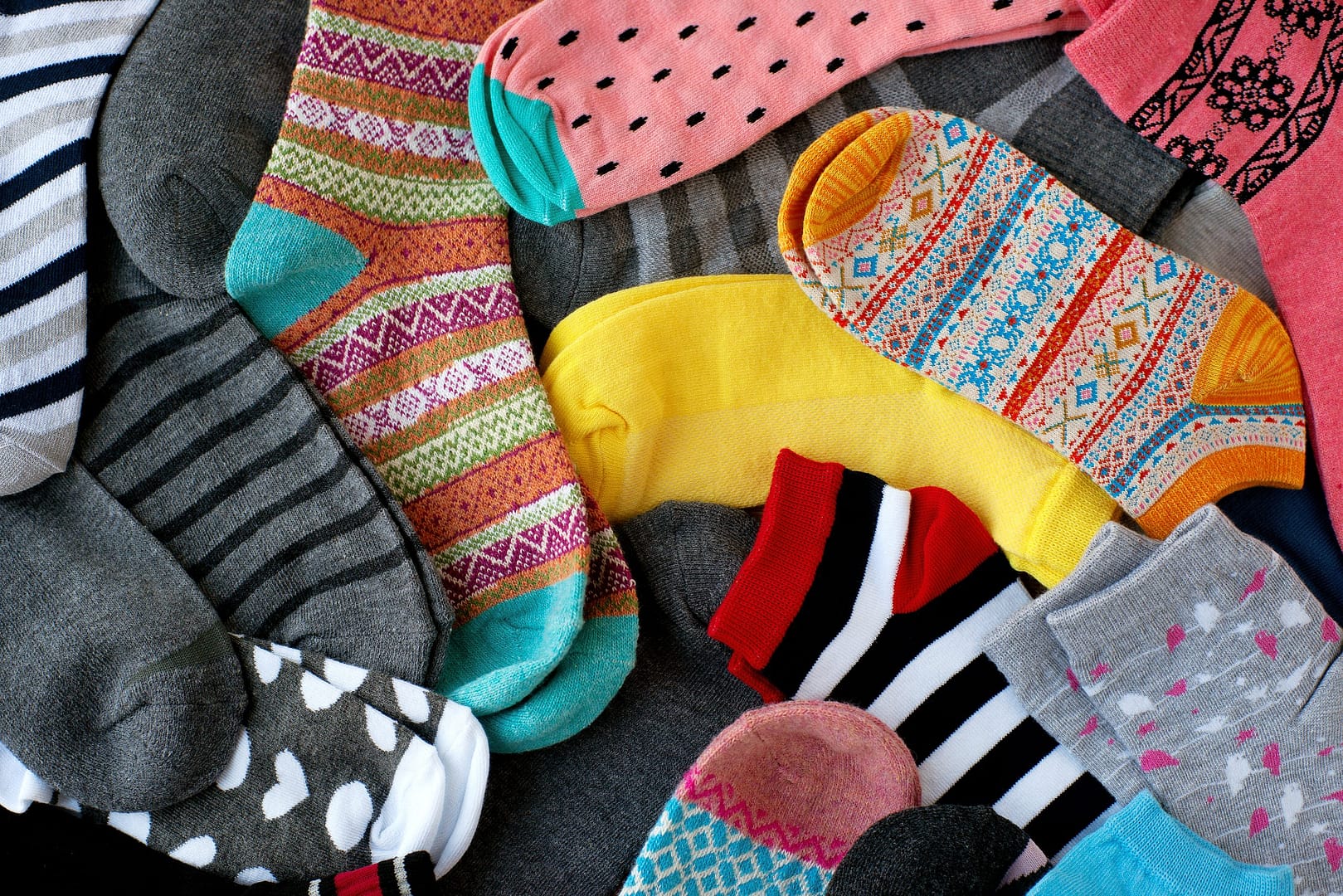
1. Don’t worry about matching socks.
If your child can tolerate socks at all, that’s a win! Prioritize comfort over appearance. Mismatched socks are a small price to pay for a meltdown-free morning. Plus, letting your child pick any two socks gives them a sense of autonomy and control, which helps them start the day feeling capable and confident.
2. Put socks on inside out.
This simple trick can be a game-changer for kids who are extra-sensitive to seams. Turning socks inside out keeps the bumpy stitching off delicate toes, making the sensory experience far less overwhelming. It’s a quick fix that can prevent a lot of foot-stomping and tearful refusals.
3. Buy multiples of favorite shoes in bigger sizes.
When your child finds a pair of shoes they love, it’s like striking gold. Sensory-sensitive kids often become attached to the specific feel, weight, and structure of certain shoes—and switching to something new can feel overwhelming, even physically painful. When you discover a winning pair, consider buying the next few sizes up and tucking them away. That way, as your child’s feet grow, you can seamlessly transition them into the exact same style they already know and trust—avoiding the stress and struggle of starting over.
4. Cut out tags or choose no-tag clothing.
Scratchy tags can feel like sandpaper to a sensory-sensitive child. Removing them—or buying tagless clothes—can eliminate a huge, hidden source of irritation. Choose soft, breathable fabrics and maintain a consistent stash of “safe clothes” that your child knows and loves. Having predictable, trusted options reduces daily stress for both of you.
Building Confidence—One Adaptation at a Time
The goal here isn’t to win a fashion award. The goal is to reduce friction, make space for self-regulation, and slowly build independence—like dressing themselves without a meltdown (for them or you!).
When we stop forcing our kids into molds that were never made for them, we free up energy for what actually matters: connection, confidence, and calm mornings.
So yes—inside-out socks and all—that’s good parenting. Parenting isn’t about perfection. It’s about finding what works.
Let’s keep building that better toolbox—together.