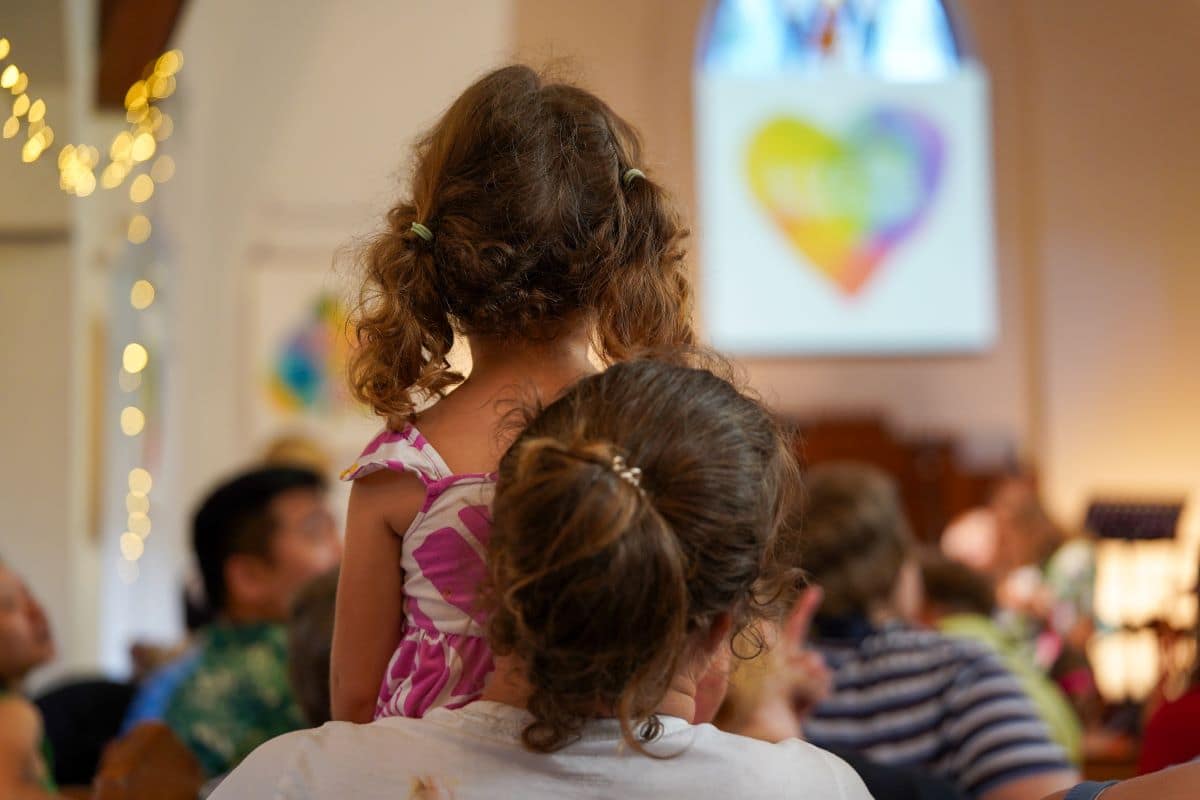
The church should feel like a welcoming space for all. However, not all individuals with autism experience it that way. Long services and rigid expectations can turn what’s meant to be a place of peace into a stressful experience. Some churches still expect kids to sit quietly and follow along without much flexibility, leaving parents to feel judged when their child struggles to stay still or “pay attention.” If you’ve ever left a service early, avoided fellowship events, or sat in the back hoping no one notices your kid’s stimming or emotional rollercoaster, you’re not alone.
Autism and Church Expectations
Faith communities should value inclusion alongside tradition. Your child deserves to be part of the experience in a way that works for them. With a little planning and communication, church can become a space where they feel accepted and welcomed, just like we are all supposed to be.
Many church environments aren’t set up with neurodivergent kids in mind, making participation challenging sometimes. The combination of sensory triggers and social demands can quickly lead to stress, shutdowns, or meltdowns. If your child hates going to church, it’s probably the expectations that feel overwhelming, not the faith itself.
Common Challenges in Church
- Sitting still and staying quiet. If movement or vocal stimming helps them regulate, being told to “sit still and be quiet” might make them anxious or uncomfortable.
- Unpredictable changes can throw off their sense of stability. Guest pastors, different worship styles, or a sermon running longer than expected might not seem like a big deal to others, but for a child who thrives on routine, those shifts can be disorienting.
- Social demands like shaking hands, making small talk, or participating in fellowship before and after services can be exhausting. If your child struggles with eye contact or reading social cues, these interactions might feel awkward or even distressing.
- Sensory overload can make church services overwhelming. Loud music, microphones, and echoing sanctuaries can be intense, but even small sounds like whispering, rustling paper, or background chatter can feel equally distracting.
- Abstract religious concepts can also be difficult for your child to comprehend. Many religious teachings use symbolism and metaphors that might not make sense to a literal thinker. Phrases like “open your heart to Jesus” or “walk in faith” may need a more concrete explanation to be meaningful.
Strategies for Success
Prepare Ahead of Time
Church can be unpredictable, but a little preparation can help your child feel more comfortable and reduce anxiety. Talk to them about what to expect, including the order of the service and any changes that might come up. Bring comfort items like fidgets, noise-canceling headphones, or a quiet activity for when they need a break.
Visual Schedules
A simple, picture-based schedule can help your child understand what to expect. Break it down into key parts like worship, sermon, prayer, and fellowship. If the order changes, update them ahead of time to avoid surprises.
Read a Social Story Together
Create or find a social story that explains what church is like, how people behave, and what your child can do if they feel overwhelmed. Include phrases like, “If I need a break, I can go to the quiet room,” or “It’s okay if I don’t sing, I can listen instead.”
Do a Preview Visit
If possible, visit the church when it’s quiet. Walk around and find the bathrooms, the quietest seating areas, and any places your child can go for a break. This way, when the day for worship comes, it won’t feel so unfamiliar. The more your child knows ahead of time, the less stressful the experience will be.
Choose Seating Wisely
Pick a spot that helps your child feel comfortable. Sitting near an exit makes it easier to step out for a break if needed. A balcony or back row can minimize social pressure, while a designated sensory space, if available, provides a quieter option.
Bring Comfort Items
Noise-canceling headphones help with loud music and chatter. Fidget toys provide quiet movement without being disruptive. A weighted lap pad or compression vest can offer calming pressure during long periods of sitting.
Supporting Your Child in Service
Sitting through an entire service isn’t realistic for every child, and that’s okay. Consider attending only part of the service or sitting in a quieter space where they can still listen. A visual checklist or simple note-taking strategy can also help them stay engaged.
Talk with Church Leaders
Not all pastors or church staff understand neurodiversity. If your child needs accommodations, using IEP-style advocacy can sometimes help. Explain your child’s needs and suggest simple changes that could make participation easier. If your church doesn’t have a sensory-friendly space, for example, ask if they’d be open to designating one.
When Church Leadership Isn’t Supportive
Unfortunately, not all churches are welcoming to neurodivergent families. You might start noticing signs your pastor doesn’t like you, such as dismissive responses when you bring up accommodations, passive resistance to change, or outright refusal to offer support. Or maybe you’re seeing signs your church doesn’t want you, like members avoiding your family, making judgmental comments, or failing to follow through on promised accommodations.
If this happens, you have options:
- Keep advocating, because sometimes persistence leads to change.
- Seek allies, since other families in your congregation may have similar struggles.
- Find a new faith community where your family is welcomed.
Finding an Inclusive Faith Community
If your current church isn’t as welcoming as you’d like, it may be time to explore other options. Many churches are becoming aware that autism in church requires flexibility, understanding, and accommodations.
A welcoming church will make sure autistic kids feel like they belong. Some churches offer sensory-friendly services with softer lighting, quieter music, and a calmer atmosphere. They may even adjust service structure, providing shorter, interactive sermons that allow kids to move around instead of expecting them to sit still for long periods of time. Some churches offer sensory rooms or appropriate spaces where your kid can use their own sensory tools.
If your church refuses to make adjustments, finding a new faith community may be the best choice. Families deserve a place where everyone is valued and included exactly as they are.
Why Did God Give Me an Autistic Child?
Many parents may wrestle with faith-based questions like “Why did God give me an autistic child?” It’s natural to seek meaning in the difficulties we face, but autism is not a mistake, punishment, or something to “fix.” As Psalm 139:14 says, your child is beautifully and wonderfully made, with strengths and perspectives that can enrich your faith and community.
Instead of asking why, consider what your child brings to the world. They have their own way of experiencing and expressing faith. It may look different, but is just as meaningful. Your child may notice details and connections others miss, bringing a fresh perspective to faith. Most importantly, your child can remind us that God’s love includes everyone, and faith communities should too.
Creating a Church Experience That Works for Your Family
Not every church is the right fit, and not every autistic child experiences faith the same way. The goal isn’t to force a perfect mold but to find a balance that respects your child while making church a positive, meaningful experience. If your current place of worship isn’t supportive, there are faith communities that will be. Your family deserves to be somewhere that welcomes you.
Are you struggling with autism spectrum and religion in your church community? Let’s talk about it.