
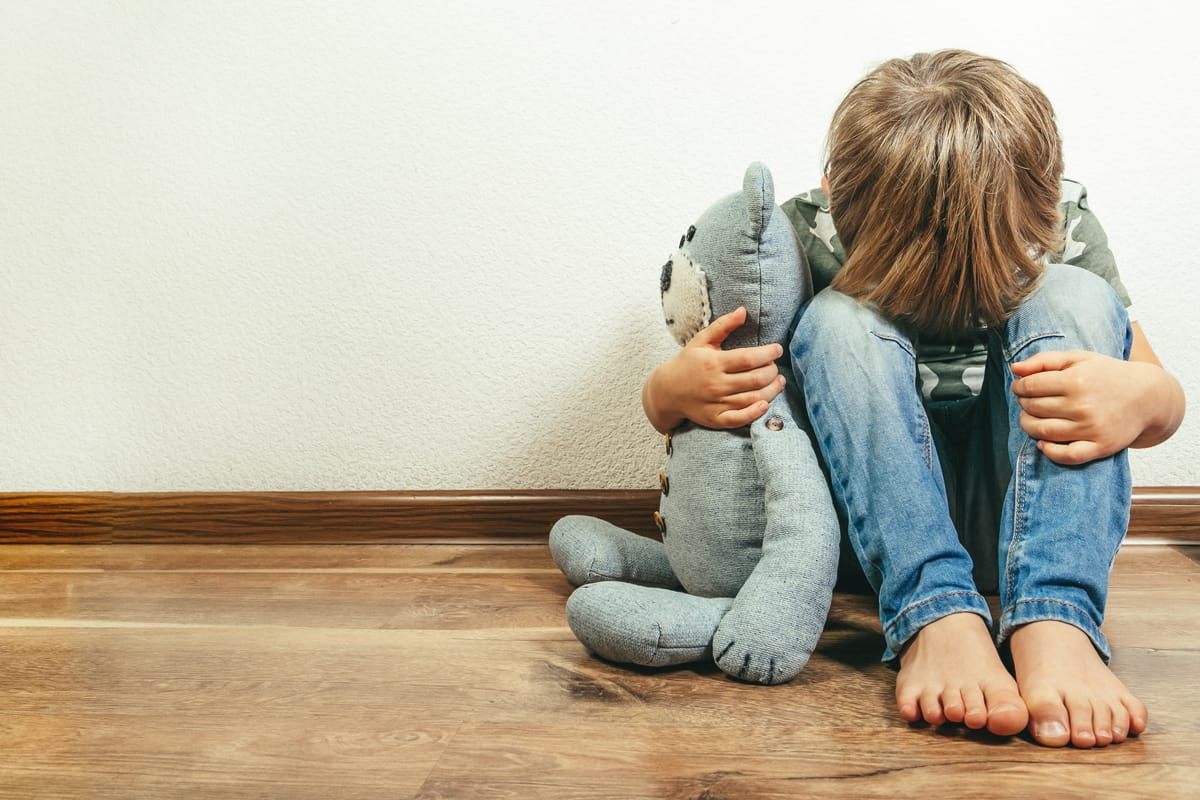
Your child drops a toy, hears a loud sound, or faces a sudden schedule change, and in seconds, they’re crying, angry, or frozen. Autistic children and those with sensory sensitivities can seem to overreact to things that don’t appear dangerous. The truth lies deep in the brain, inside a small structure called the amygdala.
The amygdala in children acts like an emotional switch. It constantly scans for danger and activates the stress response system when it senses a threat. For younger children, and especially for those whose nervous systems are wired for greater sensitivity, that alarm can go off easily. A raised voice, bright lights, or an unexpected change in plans can feel like real danger to their brains.
When this happens, the stress response triggers a surge of stress hormones, such as cortisol and adrenaline. The heart rate climbs, muscles tense, and blood pressure rises. The body moves into a fight-or-flight state, preparing to react quickly, even when the situation isn’t truly threatening. When this pattern repeats often, it can lead to chronic stress, behavior challenges, and mental health strain if the child isn’t supported in how to calm and recover.
Understanding the Stress Response System
Every child’s brain relies on the stress response system to stay safe. When the brain senses stress, it releases hormones that prepare the body for action, increasing oxygen, speeding the heart rate, and sharpening attention. Once safety returns, the body should recover, and the organs should return to balance.
In a balanced system, this activation and recovery build resilience. The ability to recover from a stressful event supports child development and teaches emotional flexibility. Kids learn to handle frustration, uncertainty, and social change in manageable doses.
For autistic or highly sensitive children, though, this system may stay active longer. Their brains register sensations, sounds, and emotions more intensely. The stress response system doesn’t always turn off quickly, which can make small moments feel like big threats. Without guidance and co-regulation from caring adults, stress can accumulate into what researchers call toxic stress, a state where the body never fully resets.

The Three Levels of Stress in Children
Experts describe three main levels of stress responses: positive stress, tolerable stress, and toxic stress.
Positive stress is short-term and helps growth. Learning a new skill, trying a new food, or meeting a new teacher may raise stress hormones, but with reassurance and success, it can build confidence.
Tolerable stress happens when something harder occurs, such as a medical procedure or a family move. The stress response is stronger, but with comfort from parents, the child learns to adapt. For neurodivergent children, this stage might take longer: they may need extra predictability or sensory recovery time before returning to calm.
Toxic stress occurs when strong or frequent stress happens without enough support. It may stem from neglect, adverse childhood experiences, or even ongoing overwhelm that feels inescapable. When toxic stress occurs, the body stays on alert, muscles tense, and the immune system weakens. This can lead to behavior problems, difficulty focusing, and a higher risk for long-term health problems (such as heart disease and anxiety).
Why Not All Stress Is Bad
Parents often worry that all stress harms their children, but that isn’t true. Not all stress is harmful. When a child experiences a challenge that resolves quickly, it teaches flexibility. When a calm adult helps them name what they feel and find safety again, the stress response system strengthens rather than wears down.
This back-and-forth pattern, the activation, then recovery, helps form healthy brain connections in areas tied to emotional regulation and reasoning. It’s how kids learn to self-soothe and problem-solve. For autistic children, these lessons may take repetition and require patience, often with sensory supports or visual tools.
Stress becomes damaging only when it feels constant and uncontrollable. Without supportive adults to help the child adapt, everyday stress can feel like danger.

The Long-Term Effects of Toxic Stress
When the toxic stress response stays active for long periods, the body’s recovery systems weaken. Elevated cortisol affects sleep, digestion, and growth. The immune system struggles, and the muscles remain tight. Blood pressure and heart rate may stay high, and over time this can increase risk for heart disease, anxiety, and mental health challenges in adulthood.
For autistic and highly sensitive children, long-term overstimulation like bright lights, noise, and social conflict can act as ongoing stressors if their environment doesn’t match their sensory needs. This can lead to chronic stress, fatigue, or burnout, which may show up as tantrums, withdrawal, or shutdowns.
The hopeful truth is that the brain can heal. With connection, regulation, and predictable care, the stress system can return to balance.
How Caring Adults Protect Children
When a parent sits beside a child who’s overwhelmed, keeps their voice soft, and waits with patience, they send a message to the brain: “You’re safe.” These moments reduce stress hormone levels and help the organs recover. Over time, these experiences teach the child’s nervous system that safety can follow stress.
Predictable routines, gentle communication, and respect for sensory boundaries act as protective factors against toxic stress. For example, allowing noise-canceling headphones, giving a five-minute warning before transitions, or using a visual schedule can all help the child’s brain stay in a calmer state.
When children grow up with caring adults who respond to their cues, their stress recovery improves, their mental health stabilizes, and their relationships thrive.
When Stress Becomes Chronic
Chronic stress doesn’t always look dramatic. It can appear as constant restlessness, headaches, or changes in behavior that seem random. Children under continuous pressure may withdraw, become rigid about routines, or seem unusually tired. For neurodivergent children, these signs are often mistaken for defiance, when they’re actually signals of overload.
The solution isn’t to remove every stressful situation, but to teach recovery. Caring adults can model self-regulation by taking slow breaths, keeping tone steady, and naming feelings without judgment. Safe environments, sensory awareness, and empathy help the stress response system reset.

Building Resilience and Lifelong Health
Children recover best when stress is balanced with support. The brain and body are built to heal when safety and connection are consistent. Daily routines that include rest, movement, play, and co-regulation help the stress response return to normal.
Over time, these practices strengthen both mental and physical health, reducing risk for substance abuse, heart disease, and later behavior problems. When children grow up in environments where their signals are understood and their sensory needs respected, their stress responses become more balanced and their well-being improves.
No parent can prevent every challenge, but we can teach children how to handle it. Supporting them through recovery rather than demanding instant composure builds true resilience.
What You Can Do Now
If your child’s behavior changes after a stressful event, remember that their amygdala is trying to protect them. A calm tone, consistent routines, and emotional support teach the child’s brain that recovery is possible. Over time, these experiences help them build control, confidence, and healthier stress responses.
By understanding the science of toxic stress, positive stress, and the fight or flight response, you can help protect children from harm and guide them toward stronger mental health and lifelong well-being. We don’t eliminate stress; we teach them how to face it and recover through connection and care.
If you’d like to understand what’s really happening inside your child’s body when they melt down, my course Inside Dysregulation walks you through it. I’ll show you how the stress response system works, why some kids stay on high alert longer than others, and what you can do to bring calm back into your home without power struggles or guilt.


