
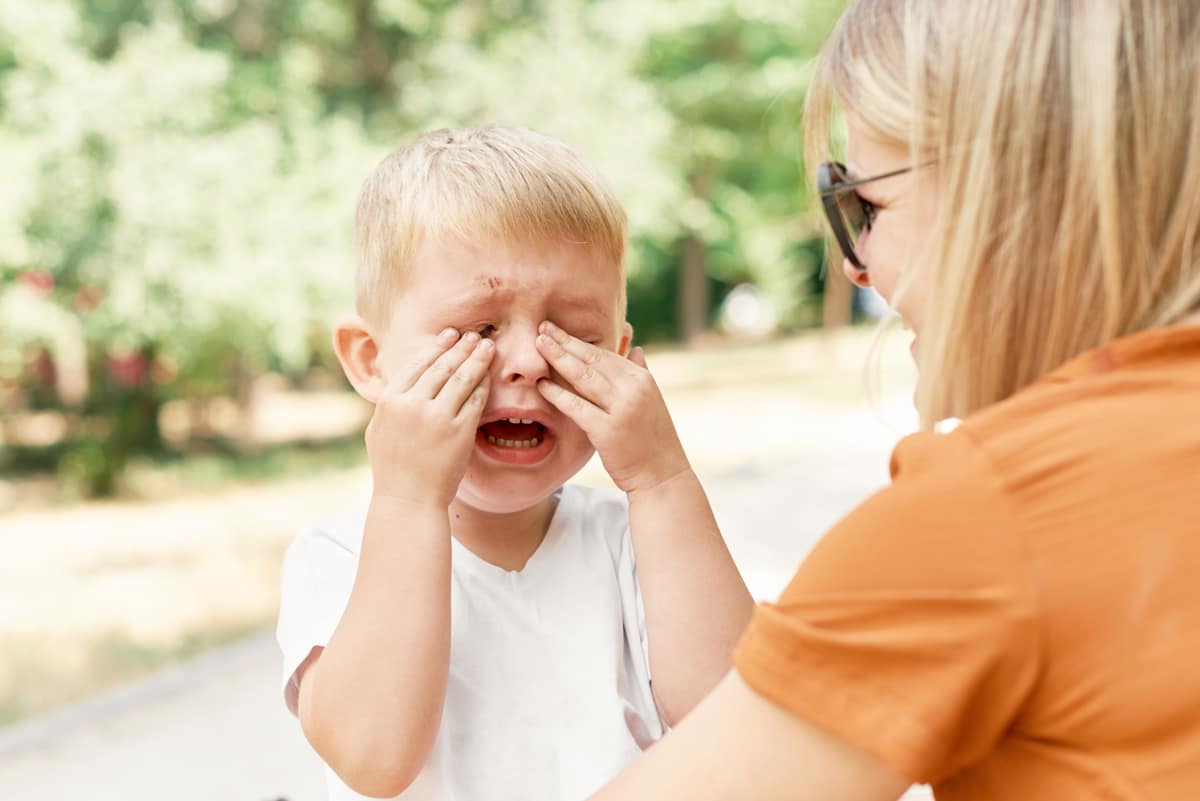
Your child is on the floor, crying and feeling frustrated. The shoes you asked them to put on are nowhere near their feet, and your patience is hanging by a thread. Maybe it’s morning, and you’re late for work. Maybe you’re in the store, and other parents are watching. You tell yourself to take a deep breath, but your chest is tight and your thoughts are racing.
Many parents are familiar with this moment. You know your child’s tantrum or this kind of tantrum behavior is a regular part of child development, yet it still feels like you’re losing control of the moment, and it doesn’t feel good.
What helps is having a few calm, grounded phrases ready. Knowing what to say during a tantrum helps you find your calm space and gives your child a way to feel safe again.
How the Right Words Can Calm a Tantrum
When tantrums or big emotions take over, a child’s brain goes into survival mode. It’s not personal; the nervous system is only doing its job. Reason and language tend to fade, replaced by fear, confusion, or overwhelm.
This is why saying “Stop it right now!” rarely works. The child feels fear instead of understanding. What helps is a calm voice and presence, and words that signal safety. When your voice slows, their heart rate follows. When you stay grounded, you teach regulation through example.
Your calm is their calm.” And it’s true: kids learn how to return to balance by watching the grown-ups who love them.
Start with a Deep Breath
Before you focus on your child’s behavior, you have to manage your own. Take a deep breath and notice how your body feels. You might be feeling frustrated, worried, or overwhelmed, and that’s okay. A pause helps you reset your tone so your child feels secure, not scolded.
When you model this kind of self-regulation, you teach children that everyone has difficult feelings, and those feelings can be handled with care. That lesson teaches kids far more than any lecture about rules or control.
Calming Phrases That Support Connection
When emotions rise, short, predictable phrases work best. Try speaking slowly, with warmth instead of urgency.
Say things like:
- “I’m right here. You’re safe.”
- “Your big feelings are okay. Let’s breathe together.”
- “You don’t have to talk yet if you’re not ready. I’ll sit with you.”
- “You can be mad, and I’ll help you stay safe.”
These phrases tell your child: I see you, your feelings matter, and I won’t walk away when you have hard emotions. Over time, your child learns that even big emotions can be managed.
When Your Child Refuses to Listen
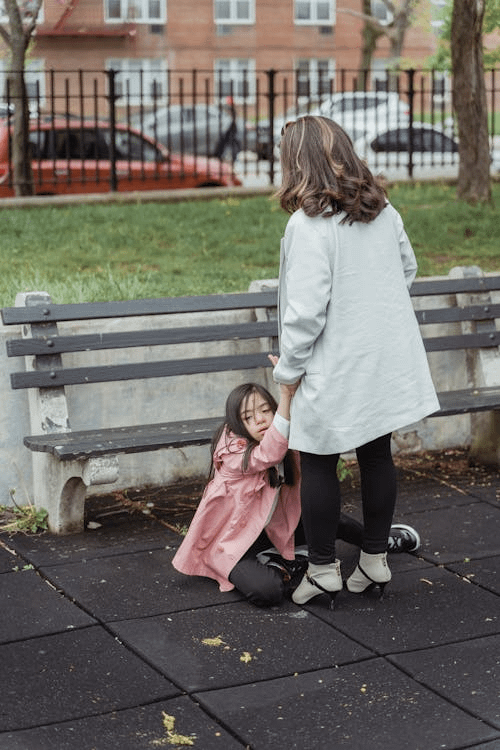
Every parent faces moments when a child refuses to listen. Maybe they won’t turn off the tablet, or they shout “no!” at every request. To you, it feels like defiance, but it’s often stress in disguise. When the brain is overloaded, even simple directions feel impossible.
Instead of raising your voice or saying “stop crying,” try a calm question: “You’re having a hard time doing what I asked. What’s making it hard?” Even if they don’t answer, the language of curiosity lowers defenses.
You might follow up with, “Let’s take a deep breath first,” or “Do you need two more minutes before we start?” Collaborating towards calm reduces power struggles and leads to fewer tantrums over time.
Helping Younger Children
For younger children, your tone matters even more than your words. They respond to rhythm and repetition. You can hum, rock, or speak in short, sing-song phrases. Try: “Big breath in, slow breath out,” or “You’re safe, I’m right here.”
If your toddler’s tantrum behavior includes screaming or hitting, stay close but calm. Say, “I won’t let you hurt me. I’ll help you stay safe.” This validates emotion without letting it harm anyone.
Many parents worry these responses sound too gentle, but they actually help a child feel contained and secure. Emotional safety is what reduces future tantrums, not punishment.
Validating Feelings Builds Trust
When you label the emotions you are seeing from them, for example:
“You look angry,”
“You seem worried,” or
“That noise made you feel scared.”
you’re validating feelings instead of dismissing them. This doesn’t mean you allow every behavior. It means you separate the child’s behavior from their worth.
This kind of validation changes child development outcomes over time. Children who feel heard are better able to manage anxiety, express anger safely, and form close relationships with other kids and adults.
Supporting an Anxious Child Through Big Emotions
Some meltdowns come from fear more than frustration. An anxious child may cling, hide, or freeze when a change happens or when noise and crowds feel too big. These reactions are natural parts of child development, so don’t mistake them for defiance. When you notice anxiety behind a tantrum, slow everything down. Speak softly and describe what’s happening: “That sound surprised you. Let’s take a deep breath together.”
Your calm voice helps teach children that difficult feelings like worry or fear are signals, not dangers. Over time, this practice teaches kids that they can notice tension in their body and still feel safe. It may take longer for an anxious nervous system to reset, but every time you help a child feel safe through fear, you’re shaping lifelong coping skills.

After the Meltdown
Once your child’s breathing slows, connection comes back online. This is your chance to teach children about recovery and repair. Offer a small act of care (a hug, snack, or time together) and keep your words brief: “That was hard. We both got frustrated, and we got calm again.”
Then reflect: “What helped your body feel good again? What should we try next time?” These moments teach kids how to notice patterns and self-regulate. They learn that feelings matter, and even difficult feelings can be understood.
Over time, you’ll see fewer tantrums because your child has practiced managing stress in safe ways.
Helping Kids Learn from Each Other
Children learn emotional control by watching other kids and grown-ups handle frustration. Encourage your child to notice how peers take a break, breathe, or ask for help. During playdates or school moments, point out examples gently: “Look how Sam waited for a turn! He’s really patient.”
These short reflections help a child see that everyone has big emotions, but calm choices make life easier. When many parents share this language (both at home and out in the community), it creates consistency that leads to fewer tantrums and smoother transitions. What feels repetitive today becomes instinct tomorrow, reducing the need to stop tantrums before they start.

How to Teach Kids Calm That Lasts a Lifetime
Every time you use calm, clear language, you teach children how to find their center again. It takes practice and patience, but each meltdown becomes a small lesson in regulation and resilience.
You might say, “You were overwhelmed, but you calmed your body,” or “That took courage to use words instead of yelling.” Praise the effort, not just the outcome.
When parents model calm through big emotions, they show that emotional control is all about awareness. Kids learn that even the hardest feelings matter and that support is always available.
If you’re ready to go deeper into these strategies, my course, Beyond Misbehavior, will guide you step by step through understanding the nervous system, co-regulation, and building emotional safety at home. It’s a compassionate framework that helps you create fewer power struggles, fewer tantrums, and more peaceful days.


